Quick Tech Tip: Make Sure Automatic App Updates Are Really On
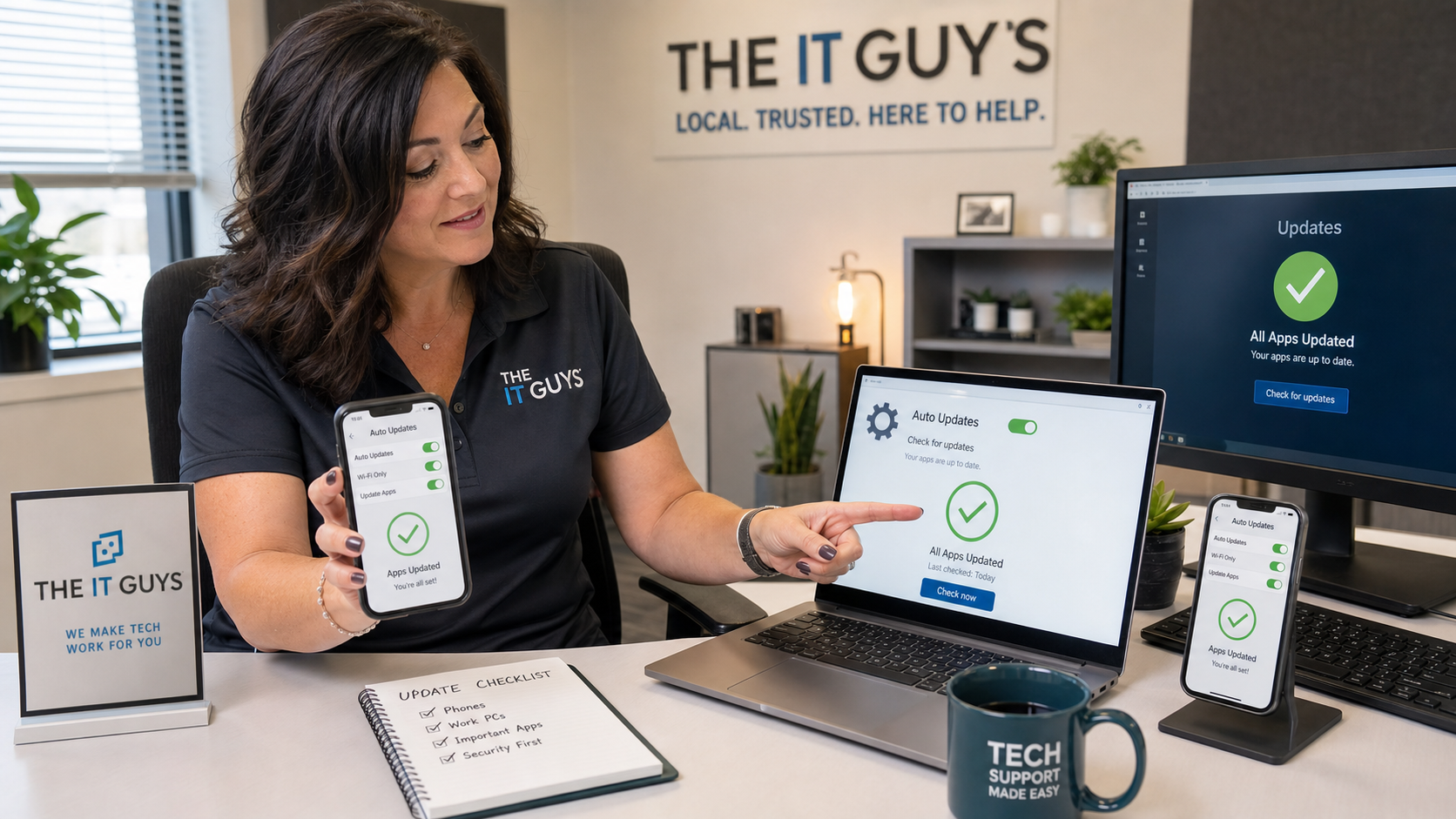
A quick check of automatic app updates on Windows PCs, iPhones, iPads, and Android devices can prevent stale apps, missing security fixes, and broken workday tools.
A quick check of automatic app updates on Windows PCs, iPhones, iPads, and Android devices can prevent stale apps, missing security fixes, and broken workday tools.
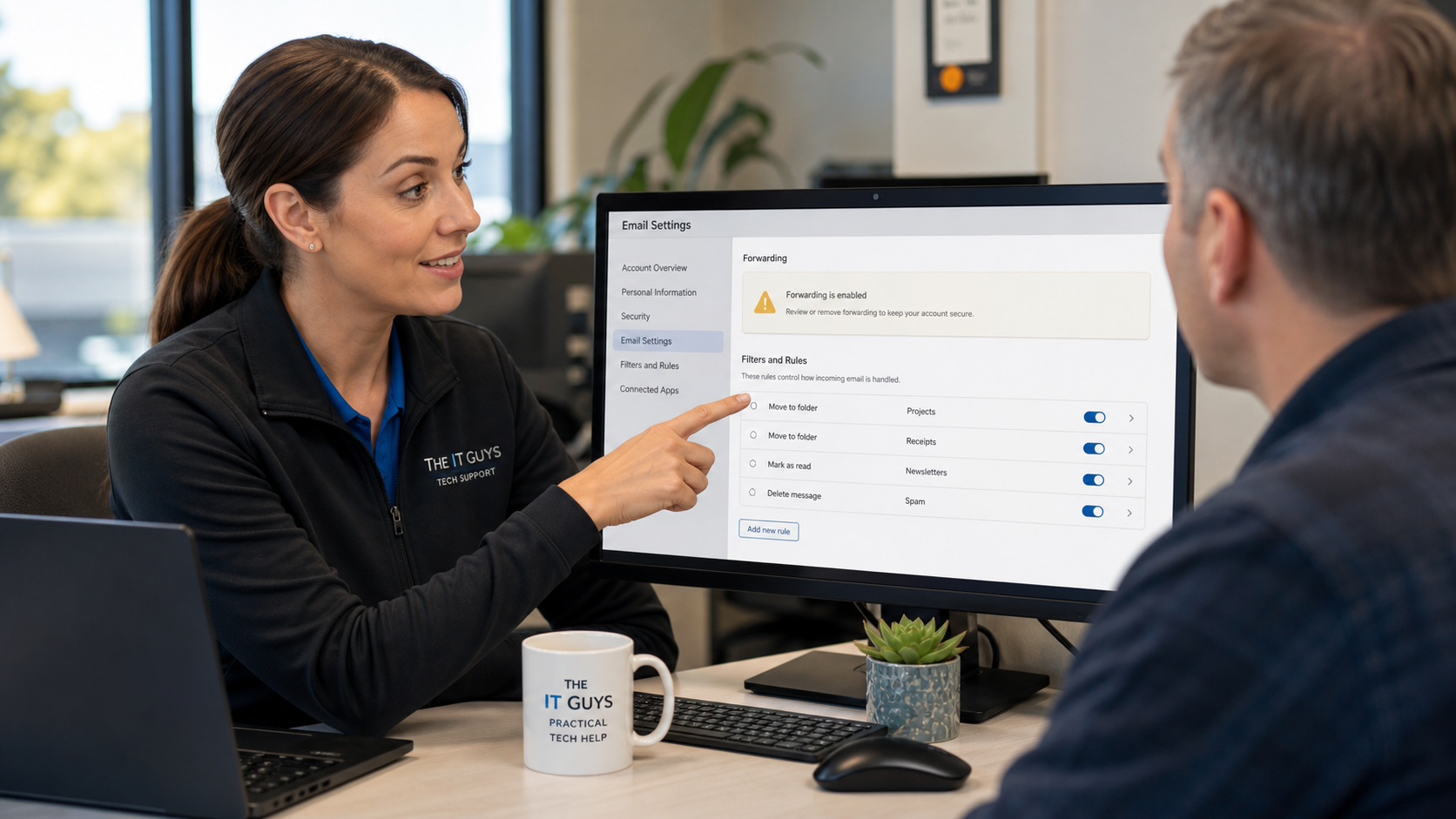
A 10-minute review of email forwarding, filters, and inbox rules can catch quiet mailbox changes left behind after phishing, password theft, or account compromise.
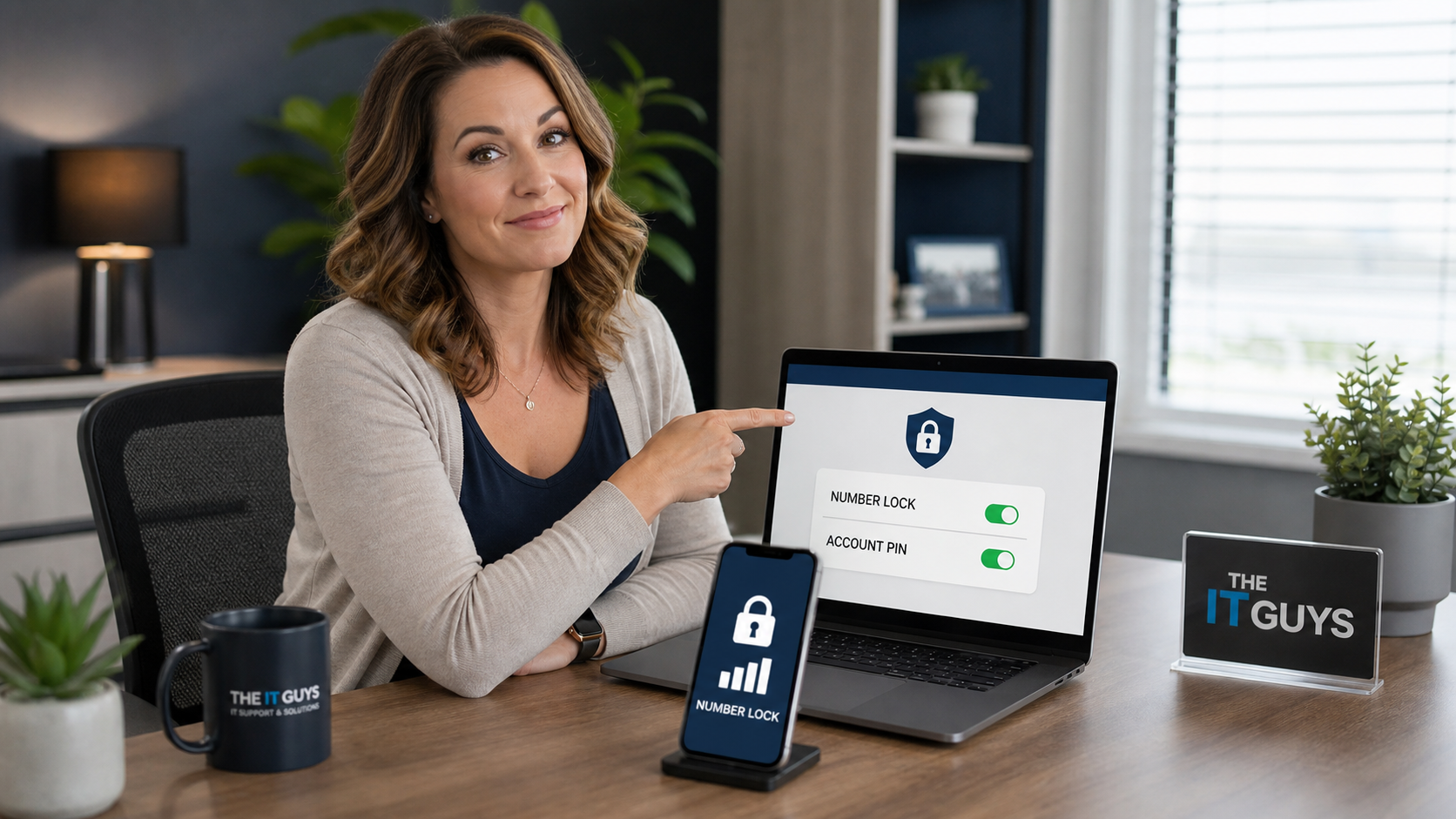
A quick carrier-account lock, unique account PIN, and stronger MFA setup can make SIM-swap and port-out fraud much harder before your phone number becomes an account-recovery weakness.
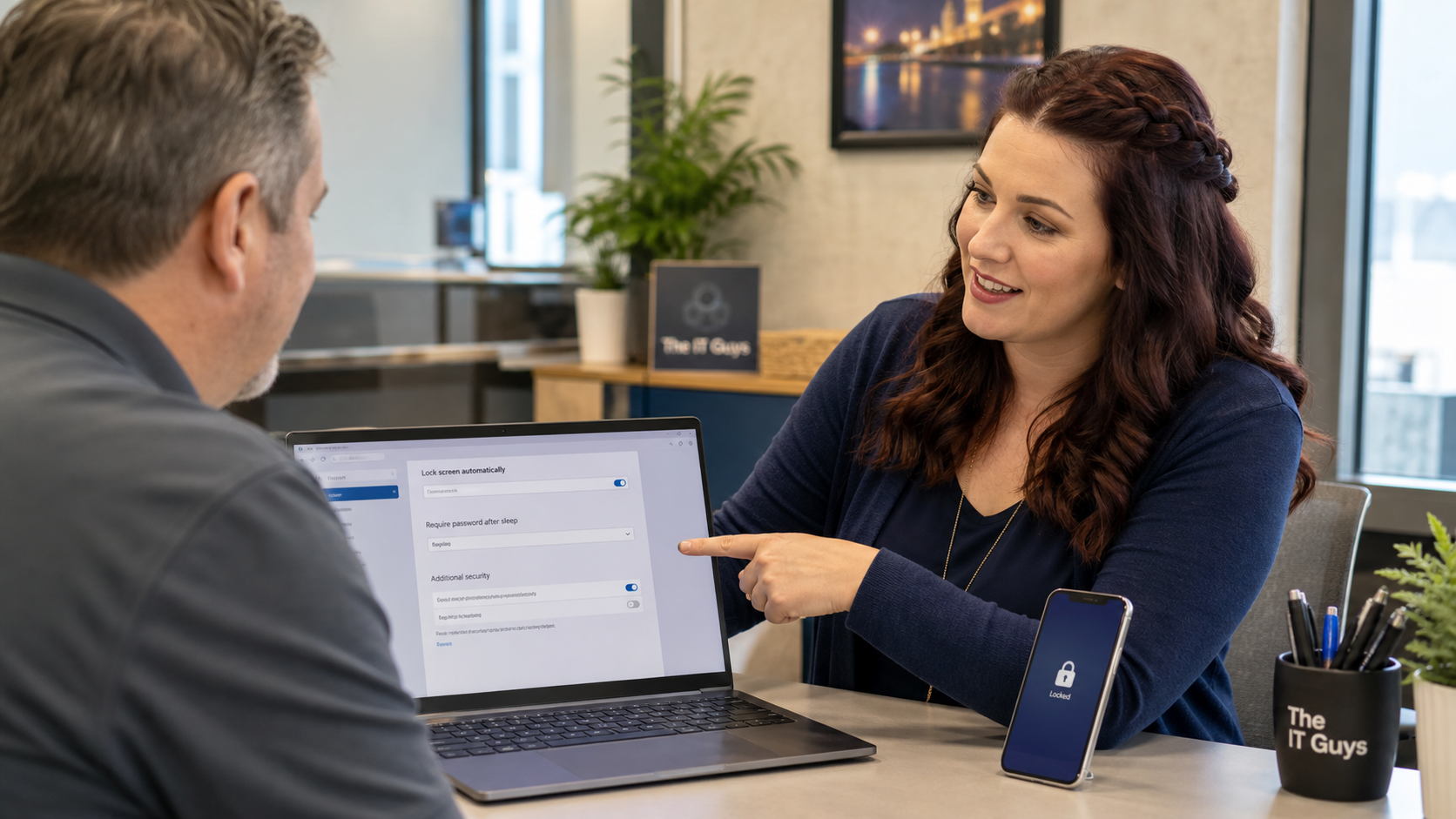
A short automatic screen lock protects email, files, customer records, business apps, and saved logins when a computer or phone is left unattended.

If a home or small-business computer is used by more than one person, separate user accounts make privacy, passwords, files, admin rights, and offboarding much easier to manage.
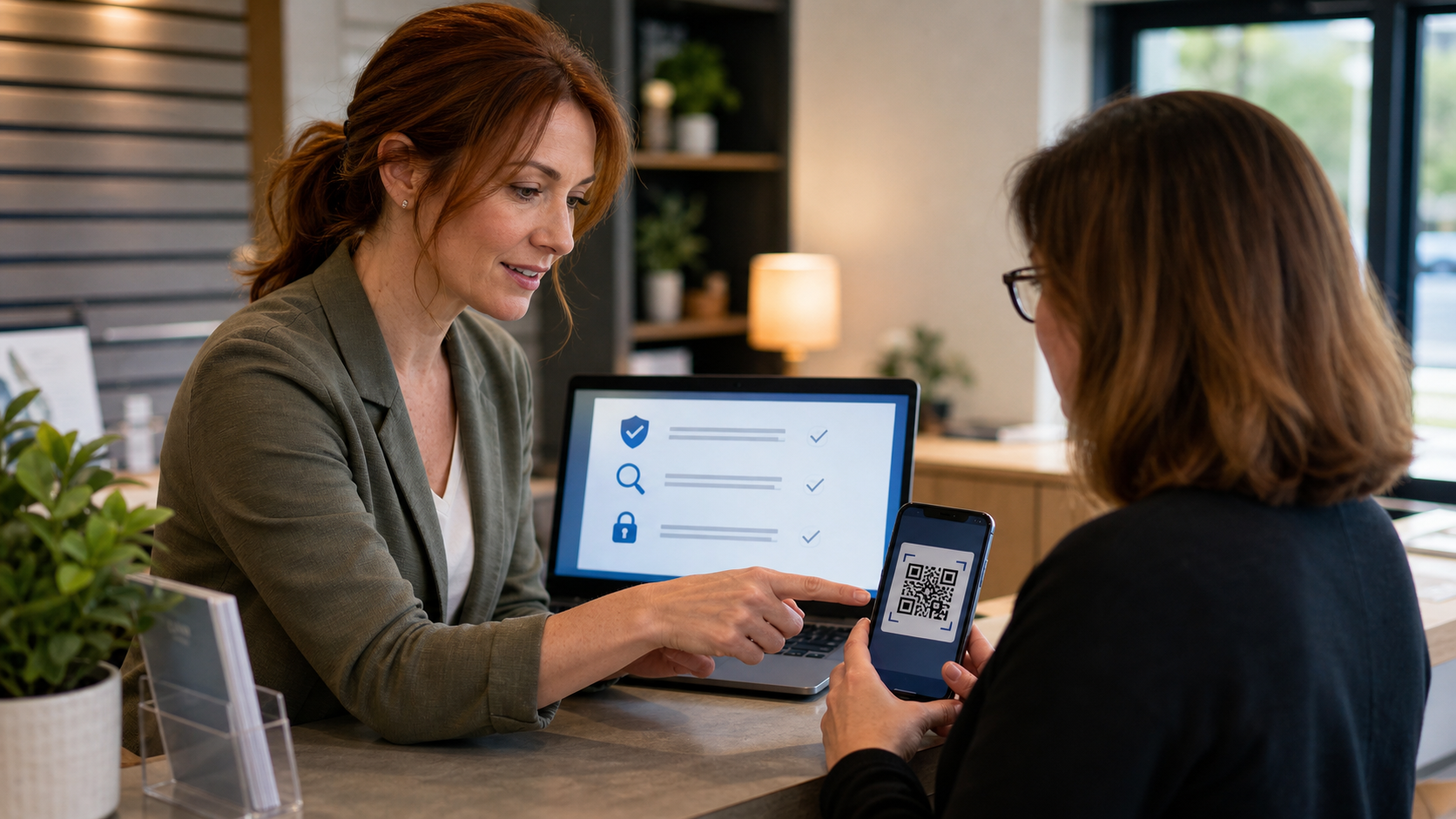
QR codes are convenient, but they can hide phishing links, fake payment pages, and tampered signs. Use this quick check before scanning at work, in public, or from an unexpected package.
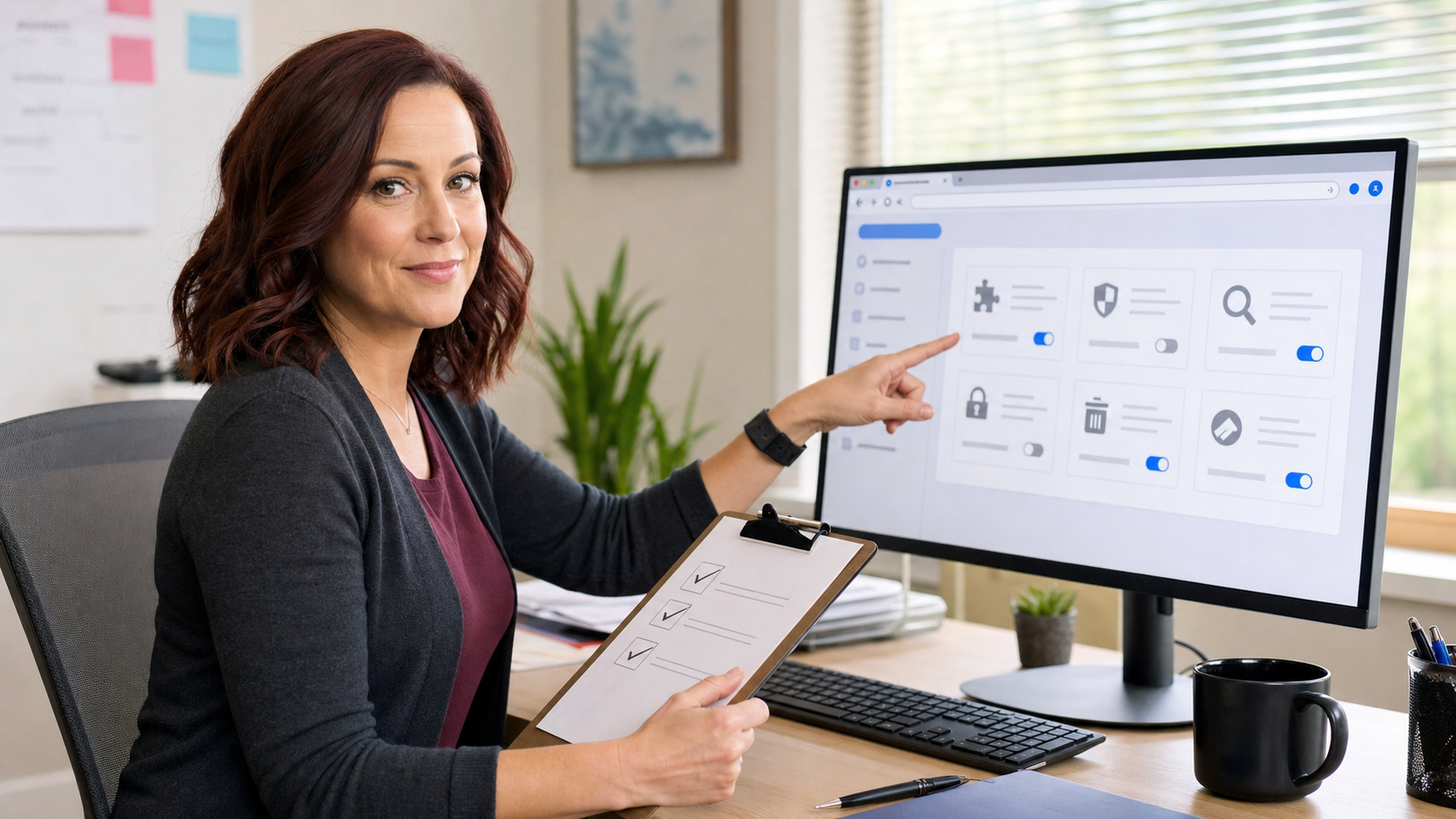
A 10-minute browser extension audit can remove forgotten add-ons, reduce privacy exposure, and keep sensitive business websites cleaner and safer.
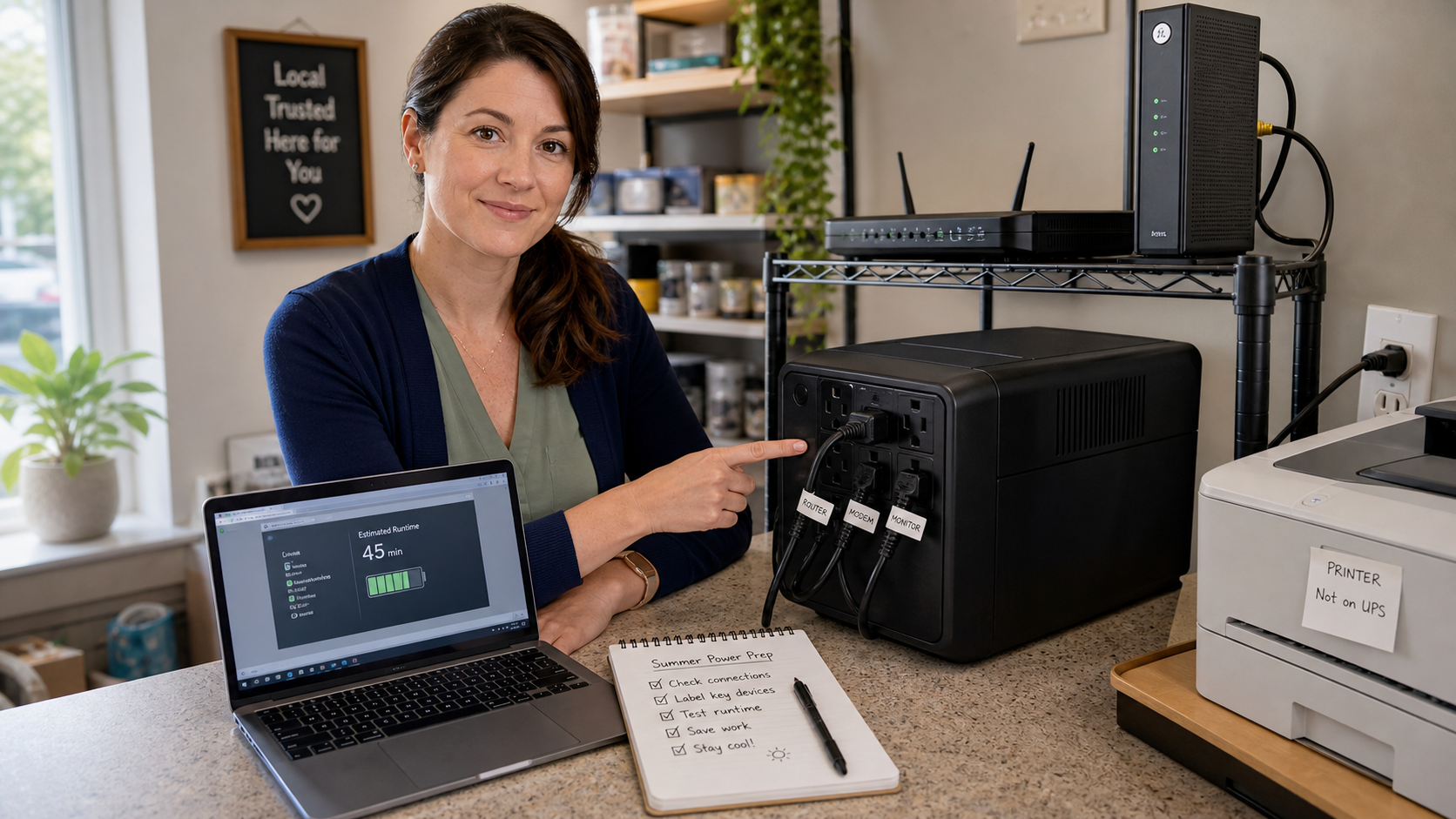
A UPS battery backup only helps if the right devices are plugged in, the battery still holds useful runtime, and your office knows how systems should shut down when power drops.
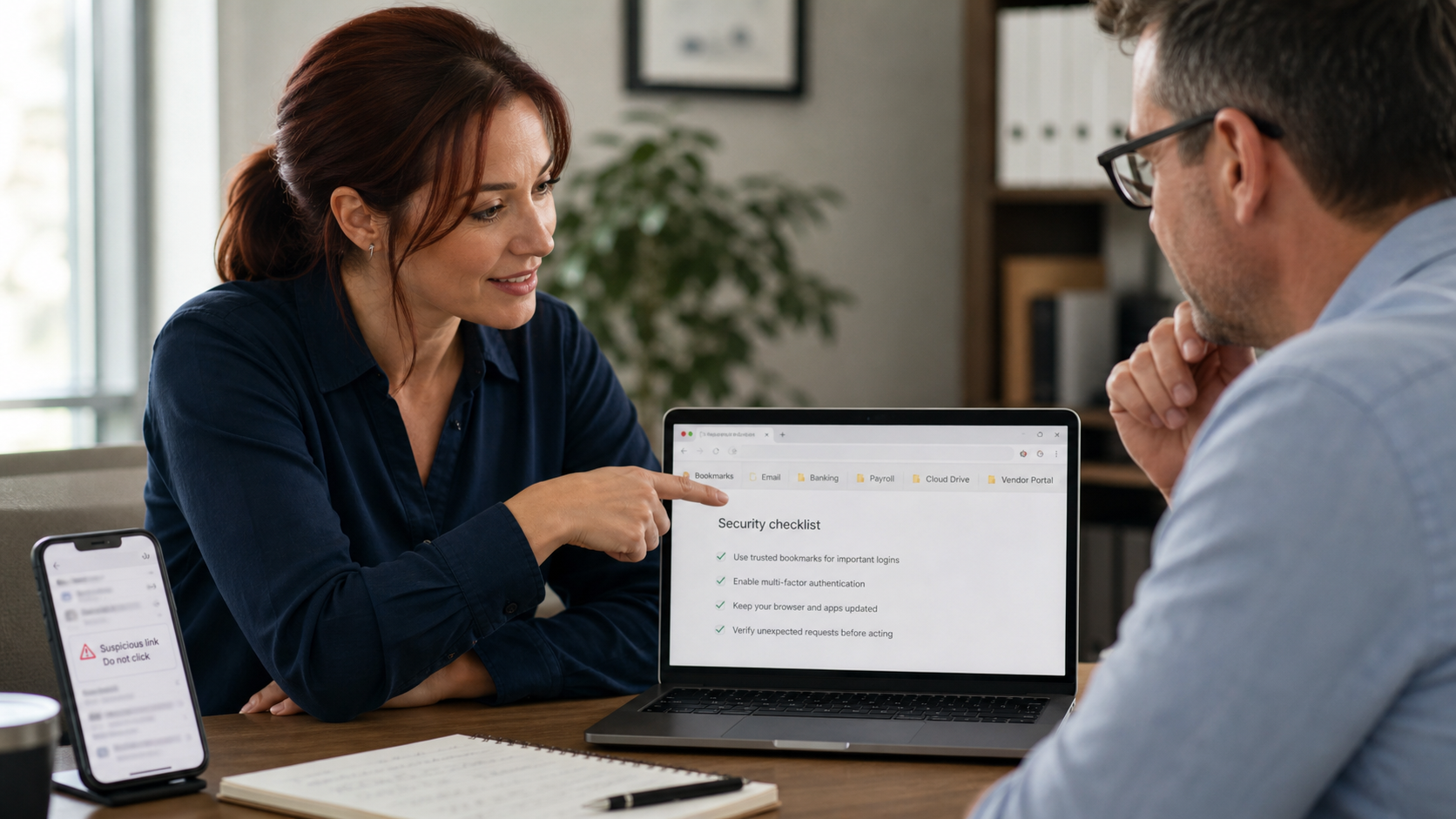
A small folder of trusted bookmarks gives you and your team a safer way back to banking, email, payroll, cloud files, and business portals when suspicious messages try to rush you into clicking.
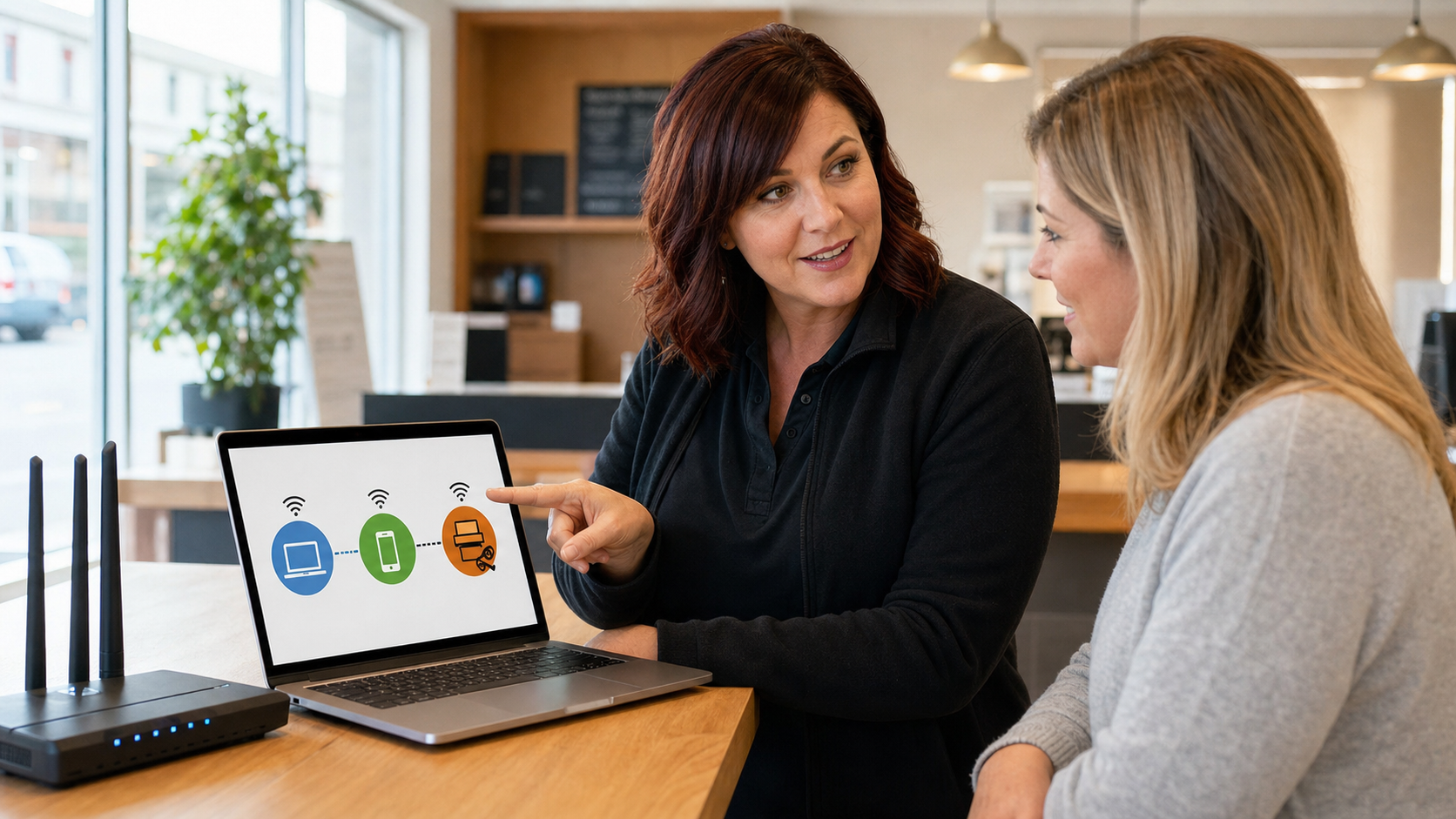
A separate guest and smart-device Wi-Fi setup can keep customer phones, TVs, cameras, and gadgets away from staff computers, printers, files, and business systems.