
Morning Good News for Today: Open Radar Code Gives Environmental Research a Head Start
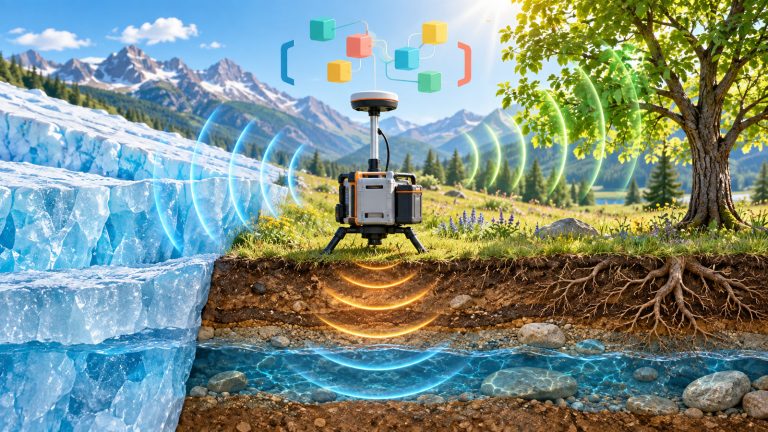
CU Boulder’s ORCA project gives environmental radar researchers a public, tested software foundation—without pretending open code makes field science effortless.
CU Boulder’s ORCA project gives environmental radar researchers a public, tested software foundation—without pretending open code makes field science effortless.

GitHub retires SHA-1 in HTTPS, F5 adds agent-aware bot controls, Google expands language AI and work-data access, and Apple rolls out major platform updates.
MIT researchers’ HardFlow method offers a measurable way to steer some generative AI models toward hard constraints—without pretending lab tests guarantee universal safety.

Waymo, GO and Nihon Kotsu target a fully autonomous Tokyo taxi service in 2027, starting small and growing toward 100 vehicles—but approval and validation still come first.

Microsoft drafts rules for future AI, Windows gets an RDS emergency fix, Google expands Dataflow, Perplexity delegates more software work, and AI shares slide.

Three satellites launched from Cape Canaveral and completed the initial 13-satellite O3b mPOWER constellation—with commissioning and future-service limits kept clear.

Five practical technology stories: GitHub’s resolved reliability incident, Twilio’s voice-AI disruption, Z.AI’s conditional financing package, reports of Apple game controllers, and the confirmed iOS 27 release date.
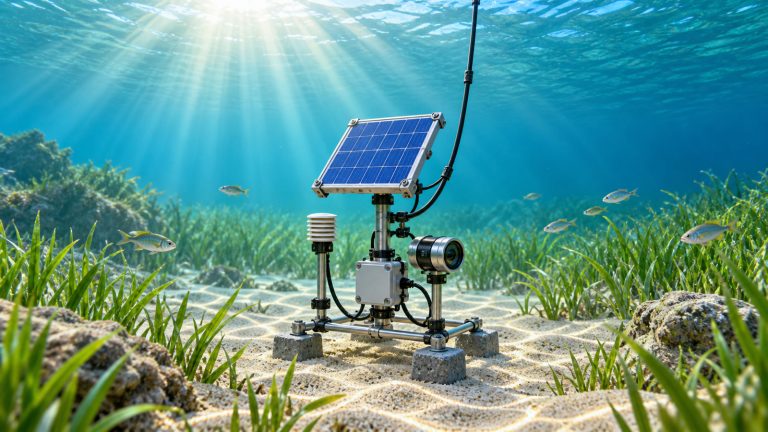
Experimental perovskite solar modules generated power 10 meters underwater, an encouraging research step toward locally powered ocean sensors—with the limits kept clear.

Revolut confirms a customer-data exposure, Anthropic proposes pacing frontier AI, LG responds to TV privacy claims, GitHub expands Copilot controls, and Blizzard reveals a new StarCraft.

A peer-reviewed AI framework turns experimental materials data into compact equations engineers can inspect, with promising results—and important research limits.