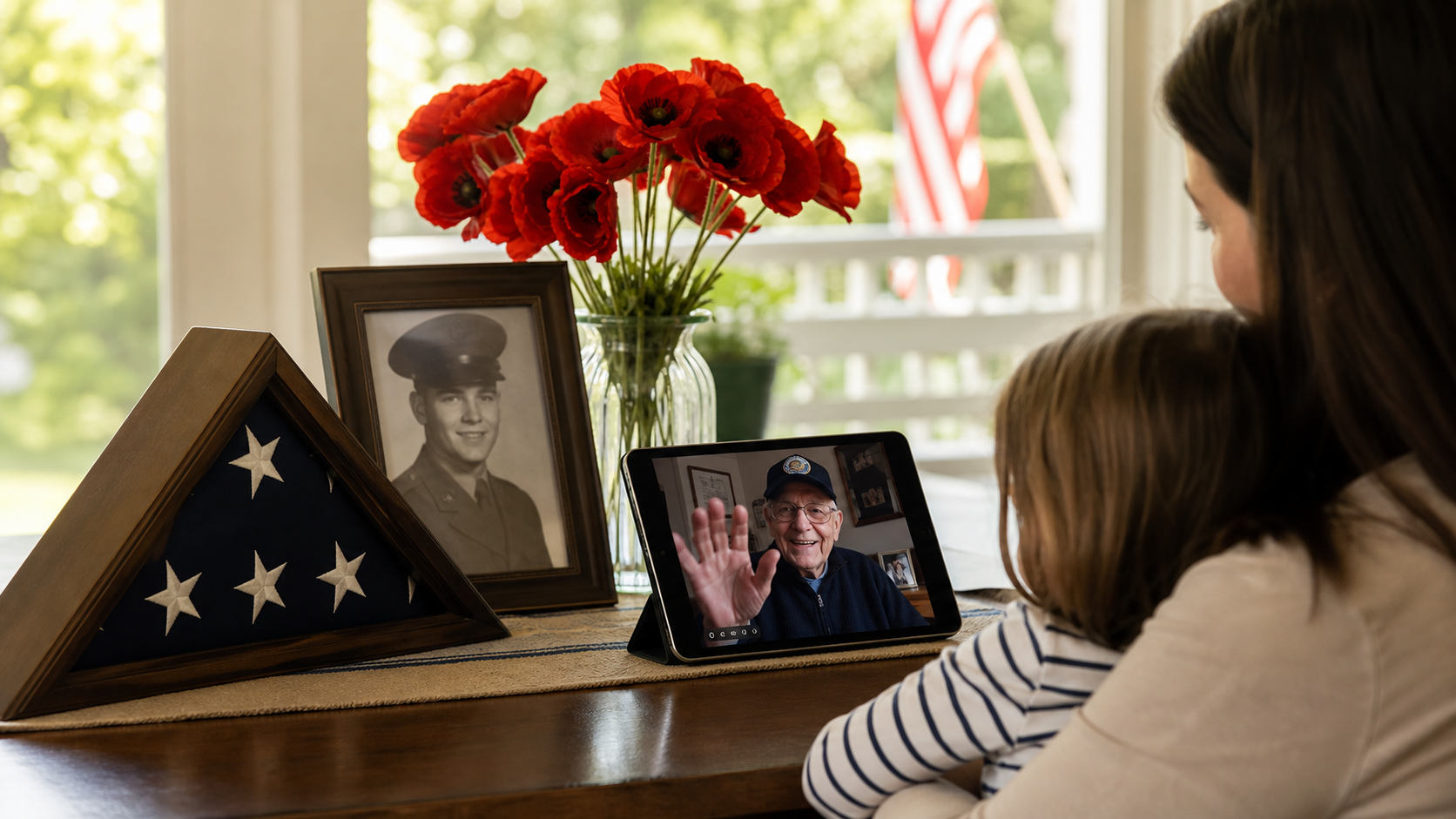
Memorial Day is more than a long weekend. It is the day America sets aside to remember the men and women who died while serving in the U.S. military. Veterans Day honors everyone who served. Memorial Day is specifically for those who did not come home.
In 2026, Memorial Day falls on Monday, May 25. It can still include family, food, travel, and time together, but the center of the holiday should be remembrance. A good way to think about it is simple: enjoy the freedom of the day, but make room to honor the people whose sacrifice helped protect it.
What Memorial Day Is For
The Department of Veterans Affairs describes Memorial Day as a federal holiday held on the last Monday in May and the nation’s annual day to mourn and honor deceased service members. It began after the Civil War as Decoration Day, when graves were decorated in remembrance, and it later became the Memorial Day we know today.
That history matters because it keeps the day from becoming just another sale weekend or cookout. The most respectful observances are usually quiet and direct: visit a cemetery, attend a local ceremony, place flowers, fly the flag properly, tell younger family members what the day means, and pause at 3:00 p.m. local time for the National Moment of Remembrance.
Ways to Observe Memorial Day Respectfully
- Pause at 3:00 p.m. local time. The National Moment of Remembrance is a simple one-minute pause to remember those who died in service to the country.
- Visit a cemetery or memorial. Many VA national cemeteries hold Memorial Day ceremonies and welcome visitors throughout the weekend.
- Place flowers or a small U.S. flag where permitted. Check the cemetery’s rules before placing items, especially at national cemeteries.
- Display the flag correctly. On Memorial Day, many Americans fly the flag at half-staff until noon, then raise it to full-staff for the rest of the day.
- Share names and stories. If your family has lost someone in service, say their name. If you do not know anyone personally, learn about a local fallen service member or a nearby memorial.
- Support surviving families and veterans quietly. A call, meal, ride to a ceremony, or help with a small task can mean more than a public post.
How to Talk About the Holiday
It is common to hear “Happy Memorial Day,” and most people mean well. A more thoughtful phrase is something like “Have a meaningful Memorial Day” or “I hope you have a peaceful Memorial Day.” If you are talking with a Gold Star family, a veteran, or someone carrying grief, let them lead the tone.
For children and younger family members, keep the explanation honest but age-appropriate: Memorial Day is when we remember the military members who died serving our country. That is enough for young kids, and older kids can handle more history, local examples, and family stories.
Technology Can Help Families Stay Connected With Older Veterans
Memorial Day is not only about the past. It is also a good reminder to care for the veterans who are still with us, especially older veterans who may be isolated, have mobility limits, or live far from family. Technology cannot replace a visit, but it can make connection easier and more frequent.
- Set up simple video calling. Put FaceTime, Google Meet, Zoom, or another video app on the home screen. Remove clutter and make the contact list easy to find.
- Use larger text and high contrast. Increase font size, enable bold text where available, and make sure buttons and contact names are readable.
- Turn on captions. Live captions and captioned calls can help veterans with hearing loss follow conversations more comfortably.
- Create one-tap contacts. Favorites, pinned contacts, and home-screen shortcuts reduce frustration and make family calls feel less technical.
- Check Wi-Fi coverage. A tablet is not useful if the favorite chair, porch, or bedroom has weak signal. Sometimes a better router placement or mesh node solves the problem.
- Make charging easy. A dock, longer cable, or labeled charger can prevent the common “the tablet is dead again” problem.
- Write down the basics. A short printed card with “how to answer a call,” “how to start a call,” Wi-Fi name, and trusted helper phone numbers can save a lot of stress.
Do Not Forget Security
Older veterans are often targeted by scams that pretend to involve benefits, Medicare, banks, tech support, charities, or family emergencies. If you are helping a veteran get more connected, protect them at the same time.
- Enable automatic updates on phones, tablets, and computers.
- Use a password manager or a safe written password system instead of reused passwords.
- Turn on multi-factor authentication for email, banking, VA, and Social Security accounts.
- Make sure recovery phone numbers and email addresses are current.
- Teach the rule: if a message creates panic, asks for gift cards, requests remote access, or demands secrecy, stop and call a trusted person.
- Bookmark the real websites they use so they do not have to search and click ads or fake results.
A Simple Family Tech Check for Memorial Day Weekend
If you are visiting an older veteran or family member this weekend, a 20-minute tech check can make the next few months easier.
- Confirm the phone and tablet are updating correctly.
- Check that family contacts are easy to find.
- Test one video call before you leave.
- Make sure voicemail is not full.
- Clean up suspicious browser pop-ups or fake security warnings.
- Confirm photos are backing up.
- Write down a simple “call this person before clicking” scam rule.
The Right Balance
Memorial Day should be solemn, but it does not have to be distant. Visit. Call. Listen. Help someone join the family conversation. Take a moment at 3:00 p.m. Remember the fallen, care for the living, and use the tools we have to keep people connected.
If an older family member or veteran needs help setting up video calls, captions, Wi-Fi, updates, backups, or scam protection, The IT Guys can help make the technology simpler and safer.
Sources: VA Memorial Day overview, VA National Cemetery Administration Memorial Day history, VA Memorial Day ceremonies and volunteer events, National Moment of Remembrance, and VA Nationwide Gravesite Locator.
Related Reading
- How to reinstall Windows 11 Phone Link – related guidance from The IT Guys archive
- Quick Tech Tip: Check Your Browser Extensions Before They Cause Trouble – a practical follow-up checklist readers can use right away
- German Researchers Warn Ordinary Wi-Fi Could Identify People With Near-Perfect Accuracy – related guidance from The IT Guys archive
FAQ
Who is this guide for?
This article is written for regular home users and small businesses that want practical technology guidance without unnecessary jargon.
What should I check before following the steps?
Make sure the instructions match your device, account, software version, and business requirements. If something looks different, pause before guessing.
When should I ask for help?
If the device or account is important for work, contains sensitive data, or the change could affect backups, email, payments, or customer access, it is worth getting help first.