

☀ Morning Good News for Today
A new accessibility experience at Milan’s Pinacoteca di Brera lets blind and low-vision visitors use AI glasses to recognize eight selected artworks and start prepared audio descriptions hands-free. [1] [2] [3] Meta, the museum, and EssilorLuxottica launched Sensing Art on October 13, working with Associazione Nazionale Subvedenti, Unione Italiana Ciechi e Ipovedenti, and Fondazione Istituto dei Ciechi di Milano. [1] [2]
Good news in 30 seconds
- The route covers eight works in the museum’s existing DescriVedendo accessibility path. [1] [2] [3]
- Each stop includes an overall description, details about people or objects in the work, and an account of the work’s mood; orientation tracks help visitors move between stops. [1] [3]
- The museum lists the glasses as a free loan by appointment, Tuesday through Friday from 10:00 a.m. to 4:30 p.m. local time. [1]
What happened
Sensing Art connects Meta AI glasses with the Grande Brera app and audio content built according to ANS’s DescriVedendo method. When the glasses recognize one of the eight selected works, the matching description starts without the visitor having to hold a phone for playback. WWD independently reported the launch, the eight-work scope, and the app integration. [1] [2] [3]
Good accessibility often comes from combining technologies with thoughtful content and real-world navigation—not from treating one gadget as magic. Here, the wearable recognition sits alongside structured descriptions, orientation audio, an established accessibility method, and consultation with blindness organizations. [1] [2] [3]
This is an available museum service, not just a concept video. Visitors can reserve the glasses, use them on a defined route, and receive descriptions without repeatedly handling a separate device. That practical reduction in friction is the encouraging part. [1] [2]
Why this made us smile
The frames are doing more than framing the art. Better still, the clever part is not the pun—it is the effort to make the visit feel more self-directed.
What it could mean for everyday people
For museums, libraries, and public attractions considering similar tools, the useful pattern is clear: start with carefully authored content, involve the people the service is meant to support, include navigation help, offer the equipment without an extra loan fee, and publish the booking details plainly. Sensing Art combines those pieces in one limited route that other venues can study without pretending every setting is the same. [1] [2] [3]
Keep the confetti factual
The opened sources establish that the service exists and explain how it is designed; they do not report visitor uptake, recognition-error rates, comparative accessibility outcomes, or a planned end date. The route is limited to eight works, requires advance booking, and is offered only during stated weekday hours. This is encouraging evidence of availability—not proof that AI glasses broadly solve museum accessibility. [1] [2] [3]
One happy thing to carry with you
A centuries-old gallery has added one more way into the experience: not by replacing human-centered accessibility work, but by pairing it with a wearable tool. That is a small, concrete upgrade with a wonderfully big idea behind it—more people getting to meet the art on their own terms. [1] [2] [3]
Sources and reporting notes
- Pinacoteca di Brera — “Sensing Art – Discovering Masterpieces Beyond What Meets the Eye” (October 13, 2026)
- WWD — “Meta, EssilorLuxottica and Pinacoteca di Brera Join Forces to Expand Art Access Through Technology” (October 13, 2026)
- Meta Newsroom — “Meta, Milan’s Pinacoteca di Brera, and EssilorLuxottica Expand Access to Art Through AI Glasses” (October 14, 2026; updated October 15)
How we know: The museum provides operating details and the DescriVedendo route. WWD independently confirms the launch and core tour mechanics. Meta supplies additional implementation context and names the participating organizations. Availability is confirmed; effectiveness, recognition accuracy, uptake, and expansion are not.
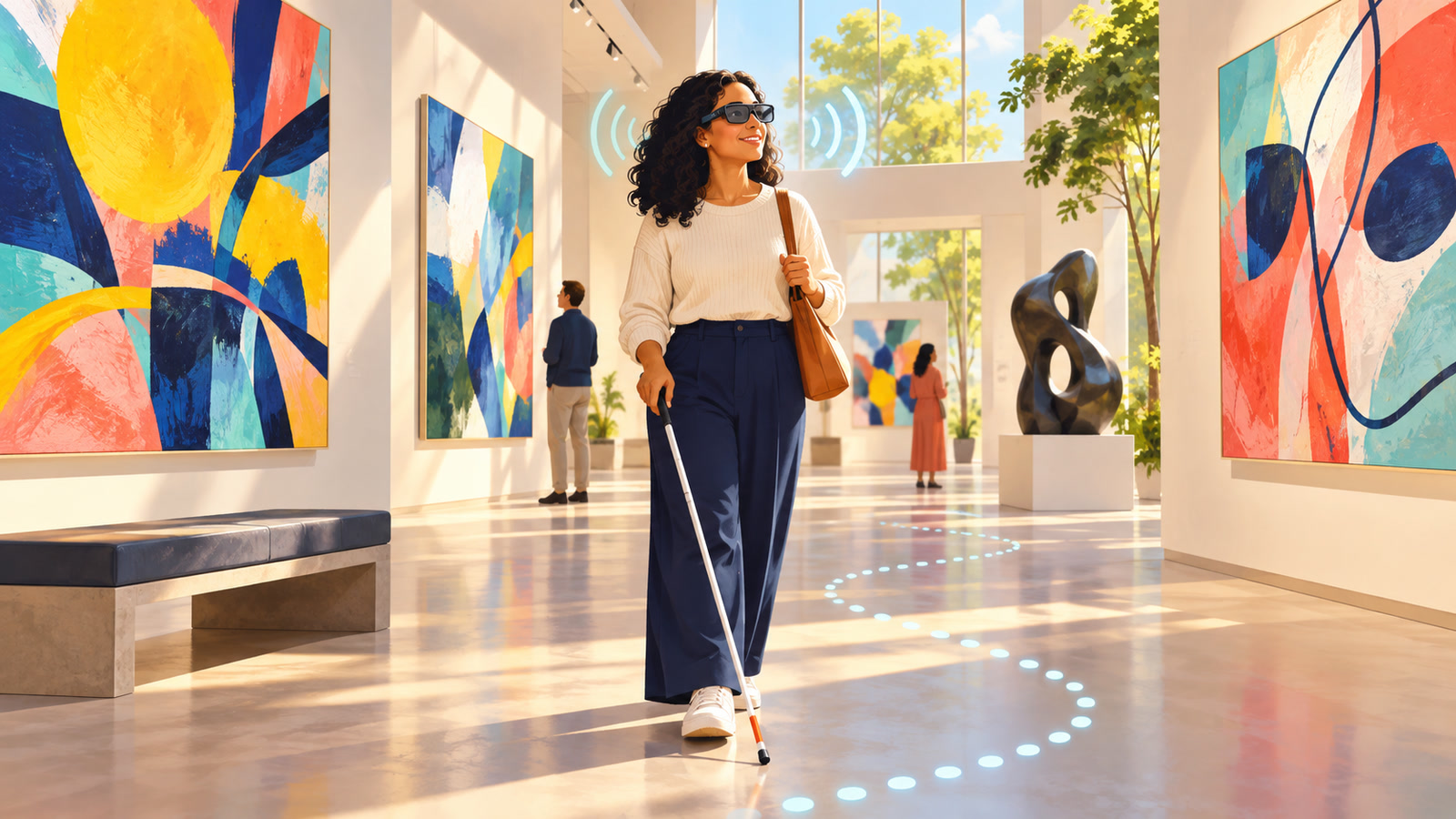
Artwork note: The featured image is an original The IT Guys editorial illustration, not a photograph of the museum, a real visitor, branded glasses, or an actual artwork.