

☀ Morning Good News for Today
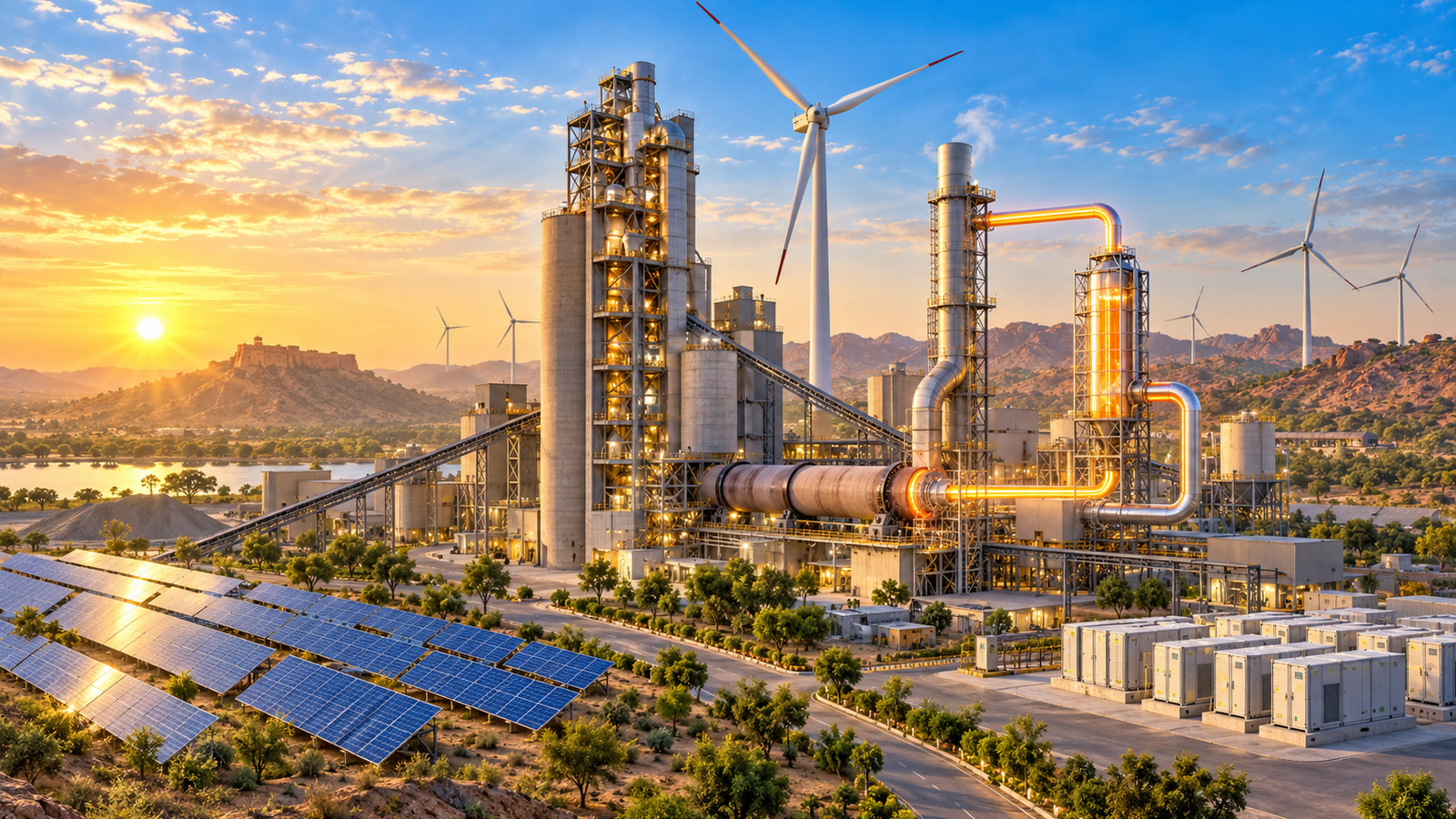
UltraTech says newly commissioned wind and waste-heat-recovery projects have pushed its captive “green energy” capacity to 2,024 megawatts. [1] [2] [3] That is measured industrial capacity now commissioned—not merely a funding pledge or a someday-maybe slide deck. The milestone is encouraging because cement production is energy-intensive, while the fine print matters: installed capacity is not the same thing as electricity generated or emissions avoided. [1]
Good news in 30 seconds
- The newest additions are 116.55 MW of wind capacity in Barmer, Rajasthan, and 10 MW of waste-heat-recovery capacity at Sarlanagar Cement Works in Karnataka. [1] [2] [3]
- UltraTech reports a 2,024 MW total: 1,580 MW of renewable capacity plus 444 MW of waste-heat-recovery capacity. [1] [2] [3]
- The company says the combined portfolio meets about 48% of its current power requirements; the checked reports repeat that figure but do not independently audit it. [1] [2] [3]
What happened
On October 5, UltraTech announced that it had commissioned 116.55 MW at an interstate-connected wind-solar hybrid project in Barmer and 10 MW of waste-heat recovery at its Sarlanagar plant. The additions brought the company-reported cumulative total to 2,024 MW. ETEnergyWorld and Fortune India published matching figures, although their accounts substantially trace back to UltraTech’s disclosure rather than to a separate engineering audit. [1] [2] [3]
Industrial facilities need dependable power around the clock. A broader mix of wind, solar, storage and recovered heat can reduce how much new energy must be drawn from conventional sources while giving engineers more options for balancing operations. UltraTech says its portfolio includes more than 1,580 MW of solar and wind, over 400 MW of waste-heat recovery and 45 MW of battery storage. [1]
Waste-heat recovery is a practical engineering win: it captures useful energy from heat that an industrial process already produces. Pairing that with commissioned wind capacity shows two different tools being used at operating sites. The concrete is still heavy, but this part of the power mix is getting lighter—one verified megawatt at a time. [1] [2]
Why this made us smile
A cement plant is not the first place most of us look for a bright little energy story, which is precisely why this one is worth noticing. Useful progress sometimes arrives wearing a hard hat and carrying a very serious clipboard.
What it could mean for everyday people
The useful takeaway is a vocabulary check. Capacity, measured here in megawatts, describes how much power equipment can produce under defined conditions. Generation is the electricity it actually produces over time. The announcement establishes commissioned capacity; it does not provide facility-level generation, uptime, curtailment, capacity factors or independently verified emissions savings. That distinction helps readers celebrate real progress without inflating it. [1] [2] [3]
Keep the confetti factual
UltraTech calls itself the first Indian cement company to commission more than 2 GW of captive green-energy capacity, but we did not locate an independent audit of that ranking. The company also says the portfolio supplies about 48% of its current power needs; the independent articles repeat the figure without separately verifying it. And the full 2,024 MW should not be called renewable capacity: 444 MW is waste-heat recovery. The checked sources do not quantify actual generation, avoided emissions, facility-level performance or the separate commercial-operation dates of the newest additions. [1] [2] [3]
One happy thing to carry with you
An energy-hungry industry has put more commissioned wind and recovered-heat capacity to work. It is not the finish line, but it is sturdy, measurable progress—and sturdy seems wonderfully on-brand for cement. [1] [2]
Sources and reporting notes
- UltraTech Cement — “UltraTech becomes first cement company in India to surpass 2 gigawatts of green energy capacity for captive use” (October 5, 2026)
- ETEnergyWorld — “UltraTech Cement crosses 2 GW green energy capacity for captive use” (October 5, 2026, 12:05 PM IST)
- Fortune India — “UltraTech becomes India’s first cement company to surpass 2 GW of captive green energy capacity” (October 5, 2026, 12:41 IST)
How we know: UltraTech’s announcement is the primary record. ETEnergyWorld and Fortune India reported the same commissioned additions and portfolio totals, but neither provides a separate capacity audit. Company-origin rankings and performance figures remain attributed.